The Truth About Permanent Data Destruction
Cybersecurity, Data Destruction
Why Your Old Data Isn’t Really Gone: The Truth About Permanent Data Destruction
You deleted the files, emptied the recycle bin, maybe even drilled a few holes in an old hard drive. It feels like Secure Data Disposal, but in reality your information may still be sitting there, waiting to be recovered. Understanding what truly counts as Permanent Data Destruction is essential for anyone who stores photos, tax records, passwords, or business documents on digital devices—which is almost all of us.
Traditional Data Destruction Methods: Convenient, But Not Permanent
Most individuals rely on traditional methods of Data Destruction: deleting files, formatting a drive, doing a “factory reset,” or using basic wiping software. These options are built into devices because they are quick and user friendly, not because they offer Permanent Data Destruction. In many cases they simply remove the “pointers” to your data, while the actual information remains on the storage media until it is overwritten—which may take a long time, or never fully happen at all.
Even physically damaging a device, such as bending a phone, smashing a USB stick with a hammer, or drilling a few holes in a hard drive, often leaves large areas of the memory chips or platters intact. To you, the device looks destroyed. To someone with the right tools, it is a partially damaged but still valuable source of personal data.
Why Traditional Methods Are Not Actually Secure
The problem is not just that these methods are incomplete; it is that they create a false sense of Secure Data Disposal. You may sell, donate, or recycle an old laptop believing your information is gone, when in fact it is still present and vulnerable. This gap between perception and reality is where serious Data Recovery Risks arise.
Affordable forensic tools can scan drives and recover files that were “deleted” or left behind after a quick format. Skilled attackers can remove memory chips from broken phones and read them directly. Even if a drive no longer boots, specialists can often bypass the normal operating system and copy what remains on the storage. For individuals, that can mean exposed ID documents, banking details, intimate photos, health records, and years of private conversations.
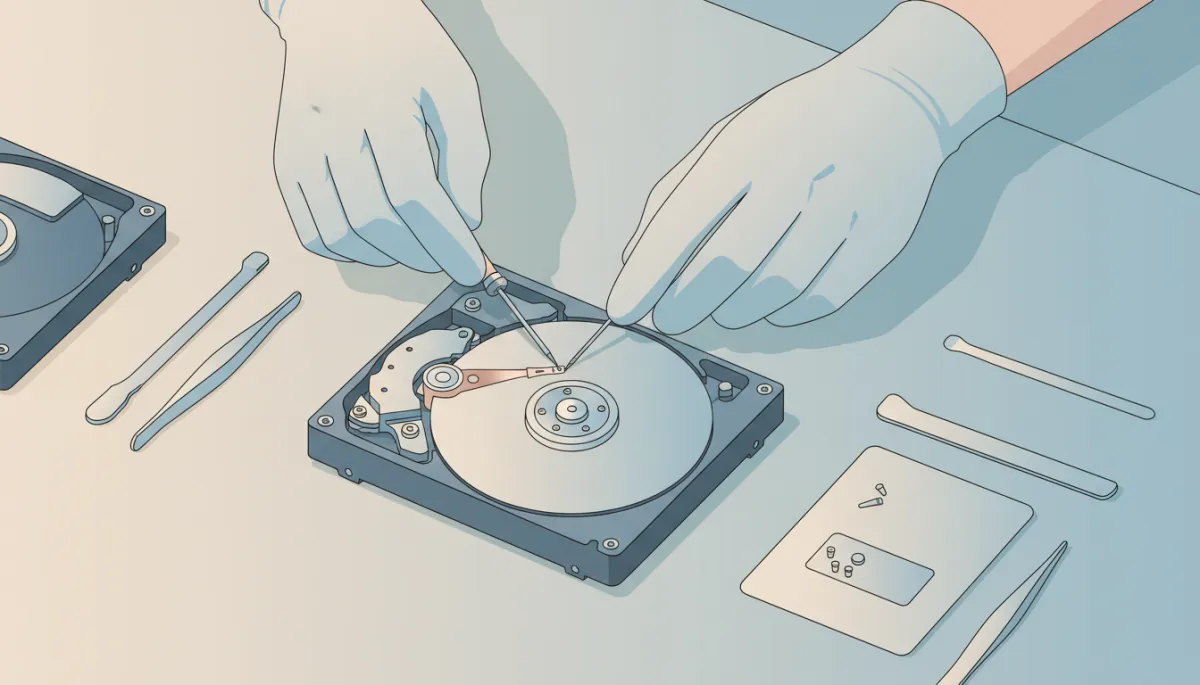
Partial damage still leaves recoverable data; only full dismantling and smelting remove that risk.
Data Recovery Risks: What’s Really at Stake for Individuals
When you trade in a phone, resell a laptop, or drop off a box of old hard drives at a recycling event, you are trusting that your information cannot be brought back. Yet countless tests by security researchers have shown that devices bought on second-hand markets still contain recoverable personal data. These Data Recovery Risks are not theoretical; identity thieves and scammers actively look for such opportunities because they know traditional Data Destruction is often incomplete.
For an individual, the consequences can include fraudulent accounts opened in your name, targeted phishing using details from your emails, or blackmail based on sensitive photos and documents. Once your data leaves your control on an inadequately sanitized device, there is no way to pull it back.
The Only Real Method: Dismantling and Smelting
To achieve true Permanent Data Destruction, the storage media itself must be destroyed beyond any possibility of reconstruction. That is where professional Dismantling Methods and Smelting Technology come in. Instead of just erasing or scratching the surface, experts physically dismantle devices, separate the components, and send the actual memory elements—hard drive platters, SSD chips, phone memory—for high-temperature smelting.
During smelting, metals and other materials are melted down in industrial furnaces at temperatures far beyond what any home tool can reach. The microscopic structures that once stored your bits and bytes are completely transformed. After this process, there is no chip to read, no platter to scan, no fragment to piece together. Smelting Technology doesn’t just damage data; it removes the physical foundation that made data storage possible in the first place.
What You Can Do as an Individual
As an individual, you do not need to buy a furnace. Instead, look for certified Secure Data Disposal providers who explicitly mention Dismantling Methods and Smelting Technology in their process. Ask how they handle drives from phones, laptops, tablets, and external storage. A reputable service will be able to explain how they ensure Permanent Data Destruction, not just logical erasure or superficial damage.
Before your next upgrade or clear-out, remember: traditional methods are not permanent, not truly secure, and your data can often be recovered. If the information on your old devices matters to you, only full dismantling and smelting can guarantee it is gone for good.